Notes from a French island in the Pacific
Deer, nickel, spring rolls, and the longest reef you've never heard of
Last year I spent some time in New Caledonia. Captain James Cook found the island in 1774 and decided it looked like Scotland, Caledonia being its Roman name. I've been to Scotland, and it looks nothing like it. However, it is a beautiful and strange place that's not often talked about, so I thought I'd share some things I observed and some anecdotes I was told.
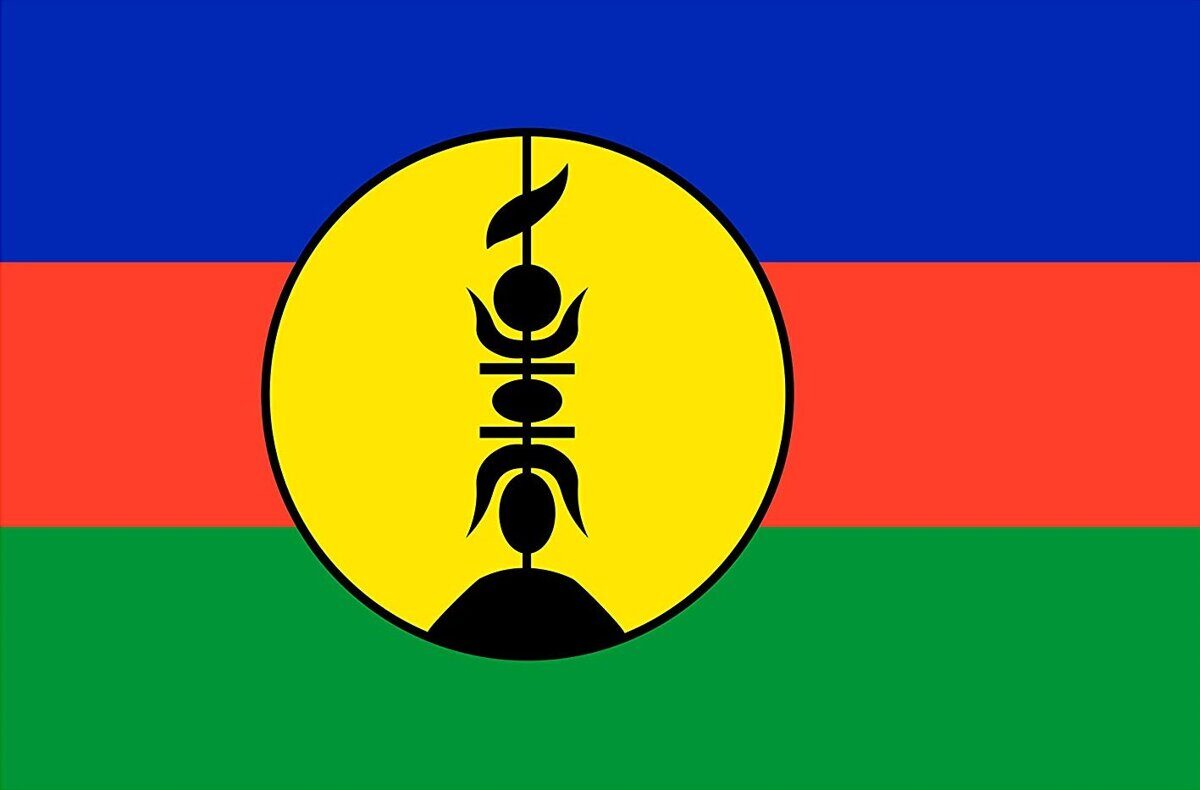
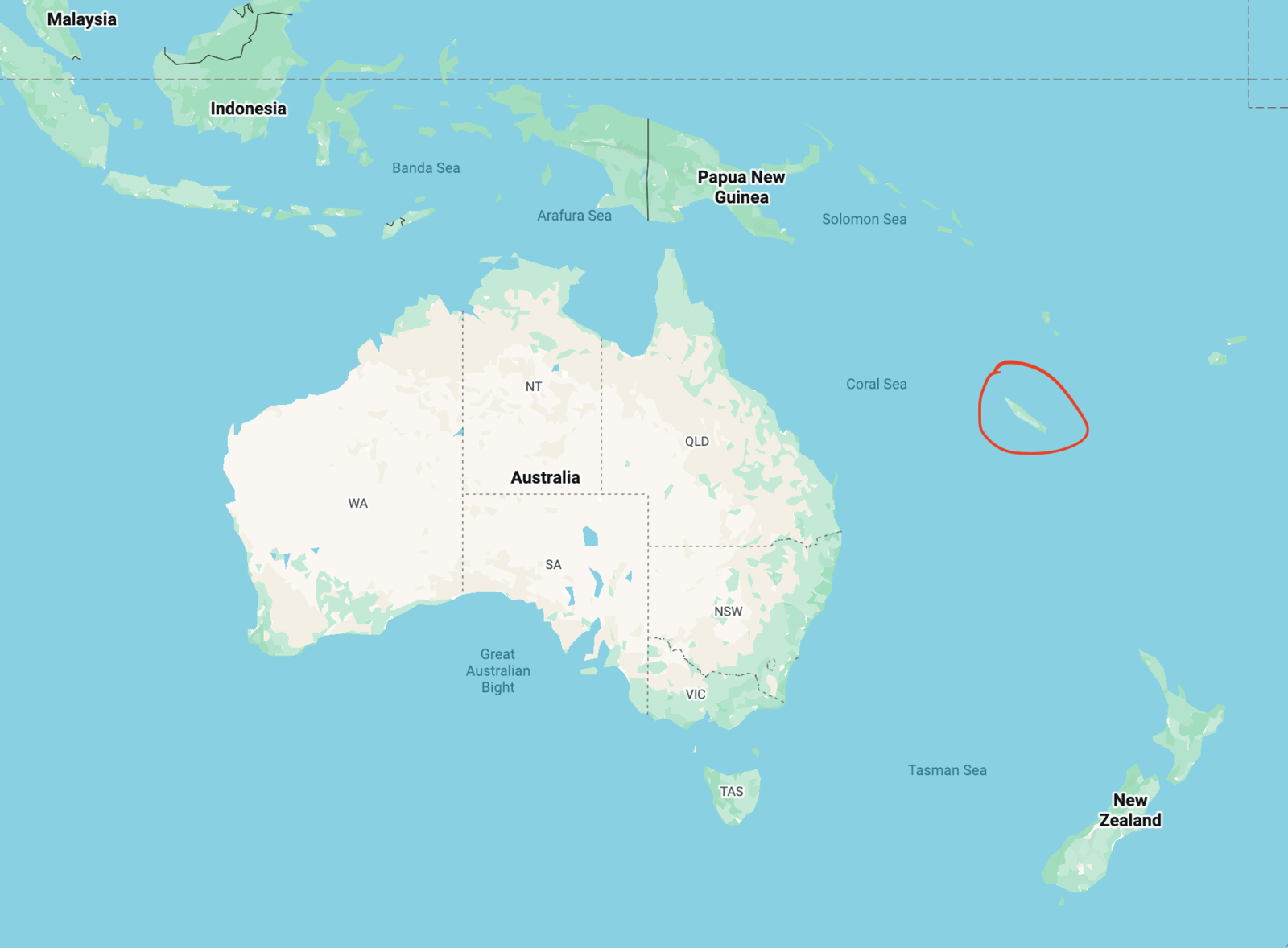
I went to visit my uncle, who has lived there with his family for fifteen years, studying birds and invasive species for a French research institute. Because this island is part of France. Which is weird. To get there, I stopped to see friends in Hong Kong and then in Australia, and then you go even further and people speak French, the road signs are French, and the pharmacies look like French pharmacies.
France took the island in 1853, and turned it into a penal colony at the far end of earth. Many current inhabitants are descendants of these prisoners; they'd be given a plot of land after they worked during their imprisonment. The colonization has not been smooth, with multiple insurrections from the indigenous Kanak population since, notably the 1878 Kanak revolt, the 1917 Kanak revolt, and the 1988 Ouvéa cave hostage taking. After Ouvéa, Kanak independence leader Jean-Marie Tjibaou and loyalist Jacques Lafleur shook hands in Paris. A year later, Tjibaou was assassinated by a fellow Kanak who saw the handshake as betrayal. The wound has not closed. The island is obviously useful for France: resources, strategic position, and 200 nautical miles of surrounding ocean. Politically, the island is still half-decolonizing. It remains a sui generis French collectivity that has held three independence referendums (2018, 2020, 2021), all of which voted to stay with France. The third was boycotted by the indigenous Kanak movement, and the status is contested.
This culminated in the violent 2024 protests and riots. 200 houses, 600 cars, and 900 businesses were burned, with 13 deaths. The nursing school was burned down 4 times. French military and police tactical units were flown in, but due to the lack of local police cars, they were riding with rifles on rental Hertz and Europcar pickups. The main instigators were killed. France blames Azerbaijan for bankrolling young separatists to destabilise the country as retaliation after it sold weapons to Armenia. TikTok was blocked for two weeks during the unrest. Many thousands of people have since left the island, most to France, Australia, or New Zealand. A year later there were still checkpoints around the St Louis tribe.
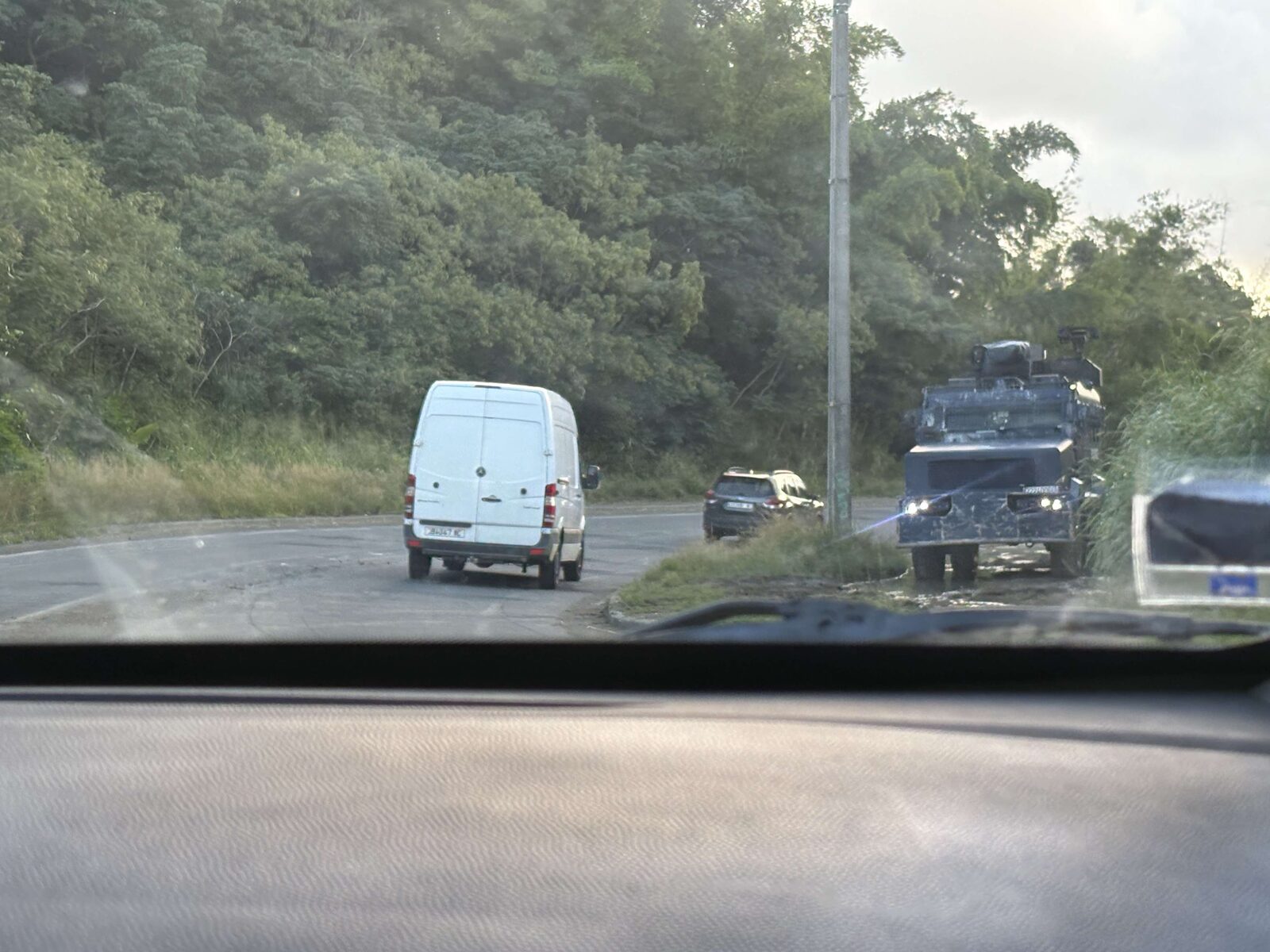
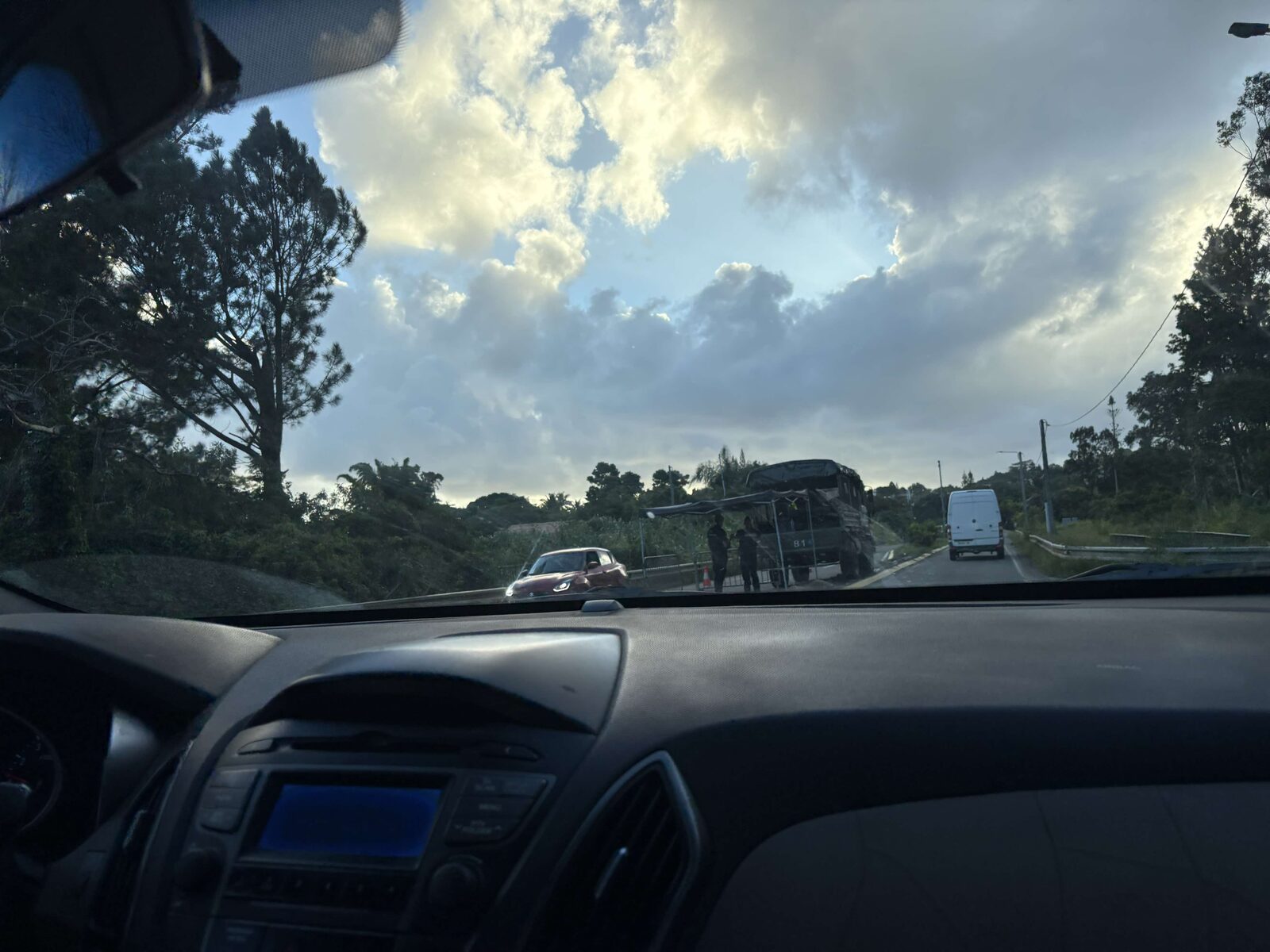
The histories of colonization are often messy. In sharp ways and some more subtle. In the tribes, for instance, a young person who goes off to university and returns a doctor may end up outranking the elders in social status, an inversion that produces its own frictions, and that occasionally drives young people to leave to mainland France.
Why is New Caledonia not as known as, say, French Polynesia? The short answer is nickel. Soon after setting up the penal colony, the island was found to hold roughly 10-20% of the world's reserves. Nickel is used in stainless steel and electric car batteries. This makes the island relatively wealthy compared to other French colonies.
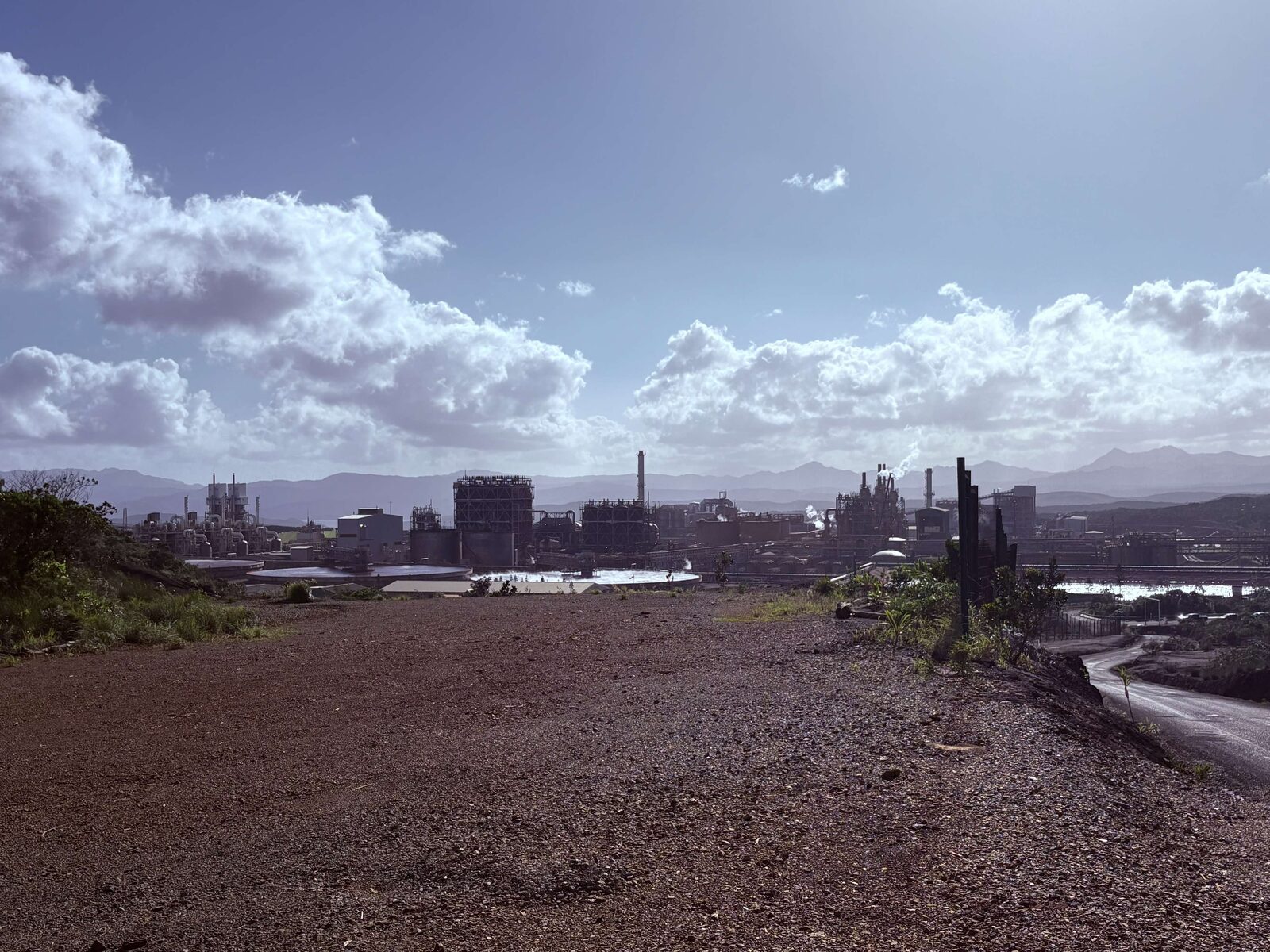
It also means they didn't invest a ton in tourism. It is relatively popular among Japanese, Australians and Kiwis with direct flights and cruises, especially the Isle of Pines south of the main island, although the recent context reduced the inflow a lot. They built big luxury hotels paired with new chartered flights from China. Those were pretty much empty, and so was my plane from Sydney.
Life is surprisingly expensive, food especially, partly due to the isolation and freight costs. My pizza cost $30. There's a single road that goes across the island and little public transport so getting anywhere outside of the capital Nouméa is slow.
It's home to some of the most amazing beaches in the world. It's an amazing place for all water activities, one of the world's best kept secrets for kitesurfing all over the southern side of the main island.
There are 342 tribes speaking around 30 languages that mostly couldn't understand each other until French came along. The tribes live on aires coutumières with their own customary laws. For exemple, sharks and turtles are recognized as legal natural entities and can have representatives speak for them in court. Unfortunately, little of this history is written down; most of it is passed by oral transmission.
Not everyone is French or Kanak. Driving north, you go through a hill known as Hill of the Arabs with its Arab cemetery. Turns out France sent 2000 Algerian prisoners there in the 1860s. Then in 1871, following the Kabyle revolt – the largest uprising against French colonial rule in Algeria in the 19th century – 1000 additional political prisoners joined them. 15000 of their descendants now live in New Caledonia. After learning about this population, Saudi Arabia sent 100 guys to build them a mosque which stands on the same hill.
The two most popular local dishes are Tuna tartare – no foreign country has fishing access to the coastal waters and the fresh tuna is spectacular – and… Vietnamese spring rolls. French colonial authorities, between the 1890s and the 1940s, sent indentured laborers from Tonkin in northern Vietnam to New Caledonia. They were primarily recruited to work in the island's nickel and chrome mines. They nicknamed themselves Chân Đăng (chained feet). Their descendants speak flawless French and own a majority of the grocery stores.
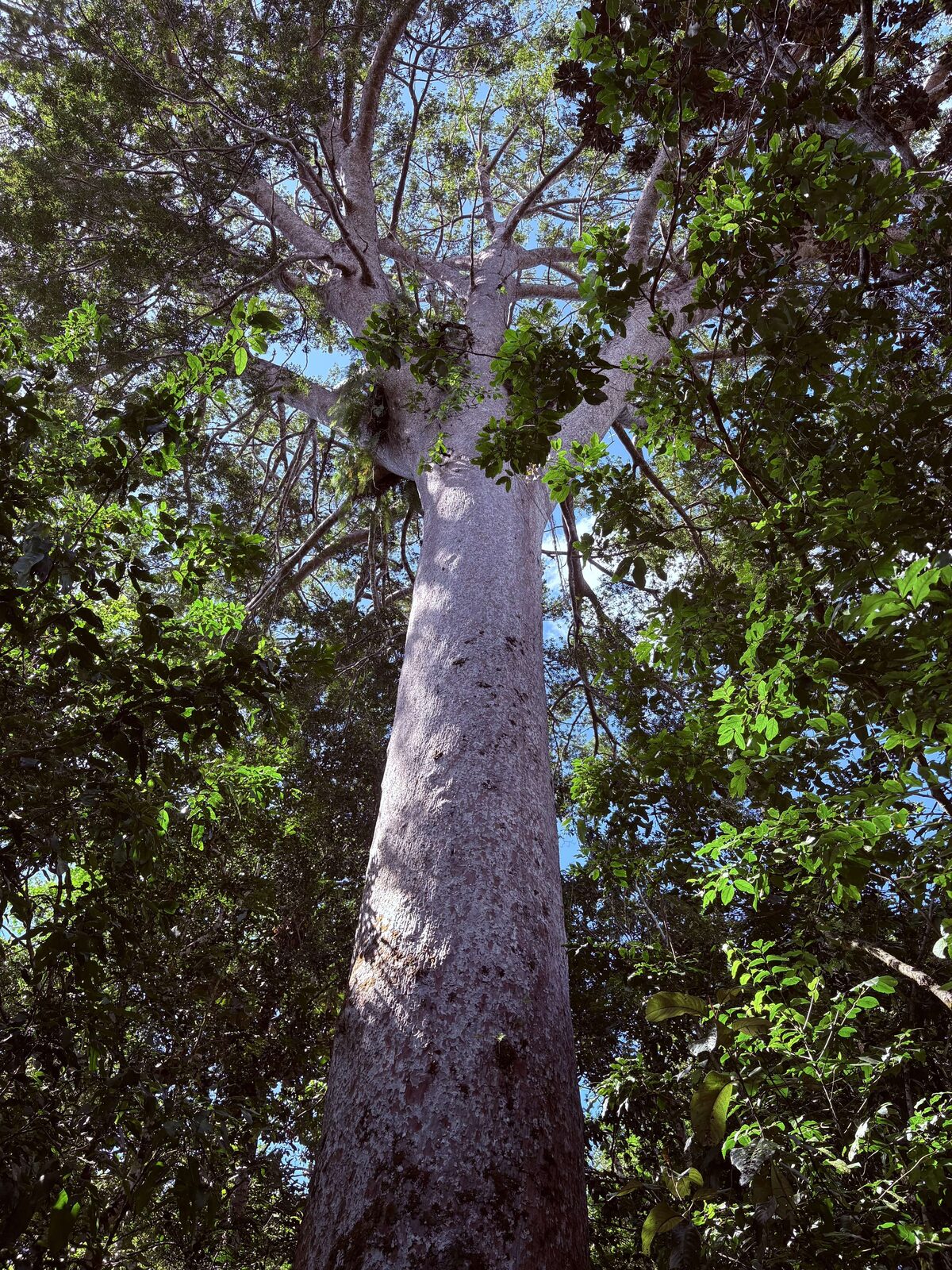
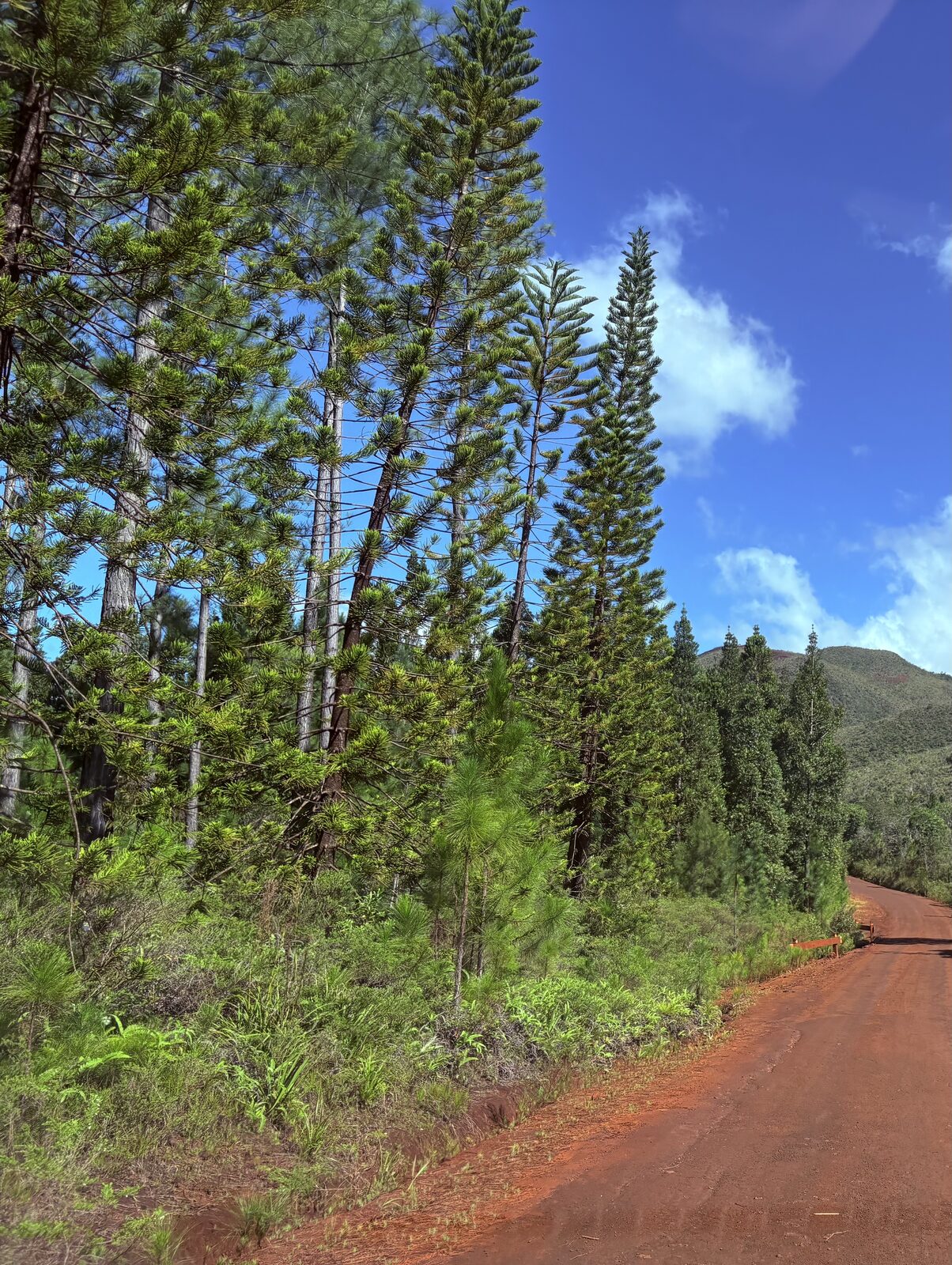
Around 75% of its plant species are found nowhere else on Earth. There are two top tier trees in particular I loved:
Unlike Australia, there's not really any species on land that can kill you. In fact, there are very few mammals in New Caledonia. What you do see, everywhere, is deer. In 1870, the Indonesian governor of Java gifted 12 Javan rusa (a type of deer) to the wife of the New Caledonia governor. These deer escaped into the wild and, without any natural predators, reproduced to something like half a million. The butcher shops, in consequence, are essentially deer shops. You also get weird second order effects on the environment: they eat vegetation and turn over the soil, which causes more sediment to flow into the rivers, which reach the beaches and make the sand darker. Turtles lay their eggs in it, and darker sands heats up more. Since the sex of baby turtles is determined by the temperature of the egg – warmer means female – many more female turtles are being born, which has affected the population of the rare loggerhead turtle.
They also have this incredible walking bird, the Kagu.
Its lagoon is the largest in the world, surrounded by the second-longest double-barrier reef on the planet. Corals, fish, turtles, sea mammals – the whole shabang. It's wonderful.
Less happily, there's also been an increase in shark attacks, mainly tiger sharks, sometimes a few meters from shore, of swimmers, freedivers, spearfishers, water board sports enthusiasts, and even a scuba dive instructor. They also eat the deers whom I was talking about previously; the deer swim well, but not, it turns out, as well as our tiger shark friends. A couple preventive nets were installed but elsewhere people are a bit wary.
What stayed with me, in the end, was the scale of the place, which is the scale at which consequence is visible. An island is small enough that you can follow the threads and trace out causation legibly. These trails run through every place that people have decided things, which is in fact every place in the world. But elsewhere they are often too long and too tangled to hold all at once. New Caledonia is a forced and improbable mixing of peoples, set down in an incredible lagoon, waiting for no one.
Tata, as they say there, for goodbye.